Context and Importance
When joining a not-for-profits committee or board it is reasonable for new members to expect some form of induction or structured welcome to the board. Ideally, this orientation occurs before the first new board meeting.
However, many small not-for-profits, clubs, and societies often expect new committee members to "learn on the job", which can be inefficient and stressful.
Instead of this approach, consider providing a structured orientation process to help new members gain a working knowledge of the committee’s activities, past achievements, and future goals before their first meeting. This approach benefits both the organisation and the new members by fostering confidence and readiness for them to contribute effectively from the start.
Purpose of Induction
"Induction is a practical method to ensure newcomers to the board feel confident and informed."
As a result of the induction meeting, the well-prepared new member(s) can "hit the ground running", which is a win-win situation. It helps them understand the committee’s current focus and feel comfortable engaging in discussions and decisions.
What Should Induction Include?
An induction typically covers:
An overview of the organisation including its constitution
The organisation’s mission statement
Strategic and business plans
Financial overview and risk management
Governance policies and legal responsibilities
Conflict of interest requirements
The distinction between governance (steering the ship) and management/execution (rowing the ship)
Time for new members to ask questions
Tailoring for Small Organisations
For smaller not-for-profits without staff or formal plans, a simpler approach is recommended to avoid overwhelming new members (and those preparing the onboarding information).
1. Practical Onboarding Checklist for New Committee Members
Provide new members with the following, existing documents to read at their own pace – preferably before the onboarding meeting:
Constitution
Club rules and policies expanding on the constitution
Position description
Minutes from the most recent Annual General Meeting
Associated financial statements
President’s report
Treasurer’s report
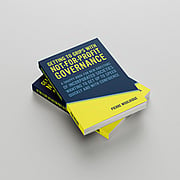
A copy of the NZ specific book “Getting to Grips With Not-For-Profit Governance”.
2. Onboarding Meeting
During the meeting, the Chair should:
Give a brief overview of the organisation’s recent activities and future aspirations
Discuss the Conflict of Interest policy and legal requirements
Review the current budget
Clarify the difference between "steering the ship" (strategic governance) and "rowing the ship" (operational work)
Governance Insight
Effective governance means the committee focuses on the NFP’s strategic direction (steering), even though members may also be handling event organisation and “day-to-day” cum operational tasks (rowing).
Additional Resources
For further guidance on not-for-profit governance including clubs, societies, and charities, visit the Effective Governance website. In particular you might like buy New Zealand-specific book Getting to Grips with Not-for-Profit Governance.
Note. You can ‘try-before-you buy' by downloading the free chapter 2. On Becoming a Director.

Stay in touch
Board Papers
Subscribe to the occasional governance article and book updates.